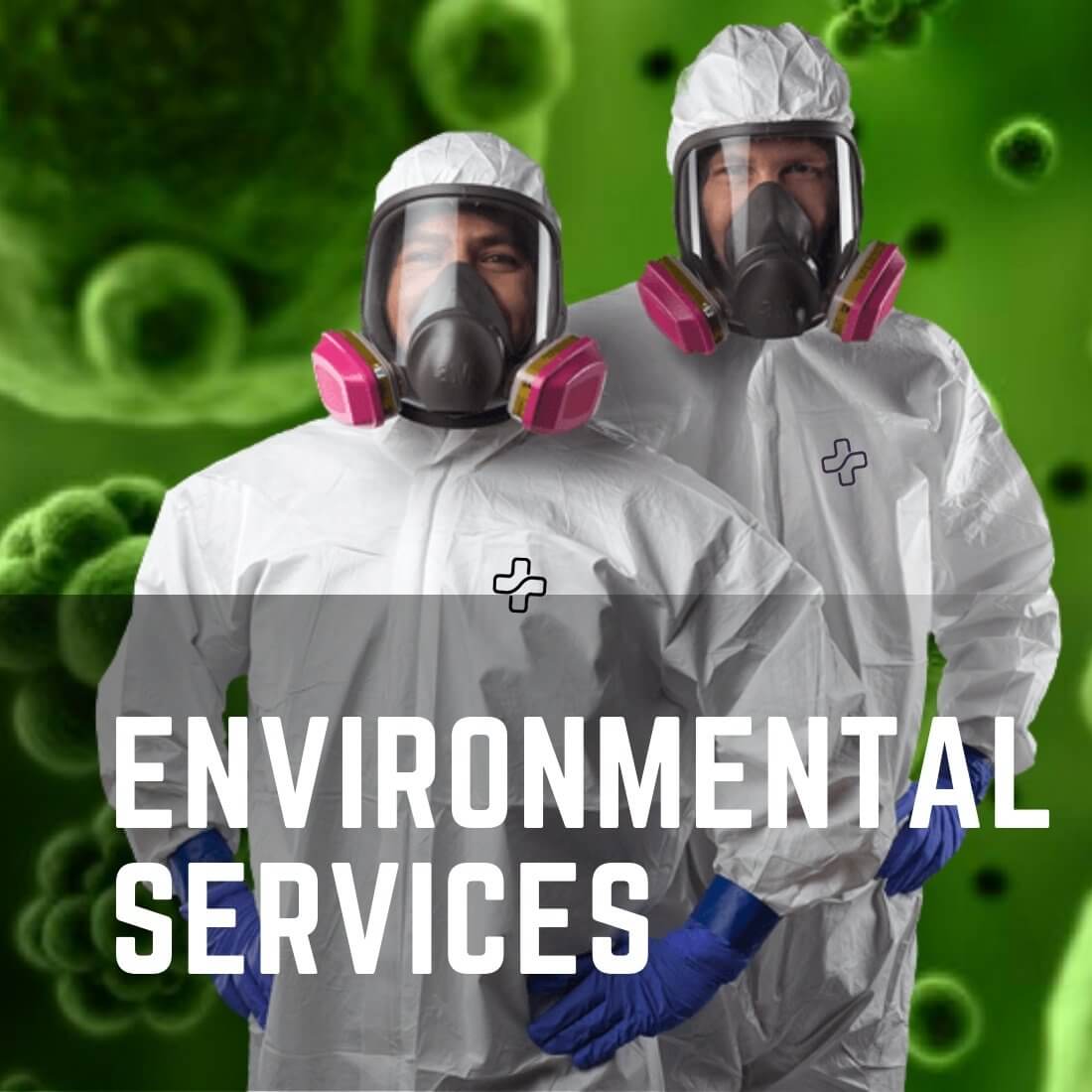
Sewage cleanup in Northern Virginia is the most hazardous type of water damage there is — and the one situation that is never a DIY job. A sewage backup floods your home with Category 3 black water: human waste, E. coli, Salmonella, hepatitis and rotavirus, parasites, and chemical contaminants. Direct contact or even airborne exposure poses serious health risks. At Flood Doctor, our hazmat-trained, IICRC-certified crews respond across Fairfax, Arlington, Loudoun, and the wider DMV to safely extract, decontaminate, and restore your property. If you have a sewage backup, evacuate the area and call (877) 497-0007 immediately.
Sewage backups strike Northern Virginia homes more often than people realize — tree roots invade aging clay sewer lines, municipal systems overload during heavy rain, and basement floor drains become the lowest point for an entire neighborhood’s overflow. Whatever the cause, the response must be fast, contained, and performed by trained professionals in full protective equipment.
Why Sewage Is a True Biohazard
Under IICRC standards, sewage is classified as Category 3 (black water) — grossly contaminated water that can cause serious illness or death. It is not just dirty water; it is a biological hazard. That classification dictates everything about the cleanup: full PPE for technicians, removal rather than drying of contaminated porous materials, hospital-grade decontamination, and verification testing before anyone reoccupies the space. Treating a sewage backup like an ordinary water leak puts your family’s health at direct risk.
Our Sewage Cleanup Process
1. Containment & Safety Setup
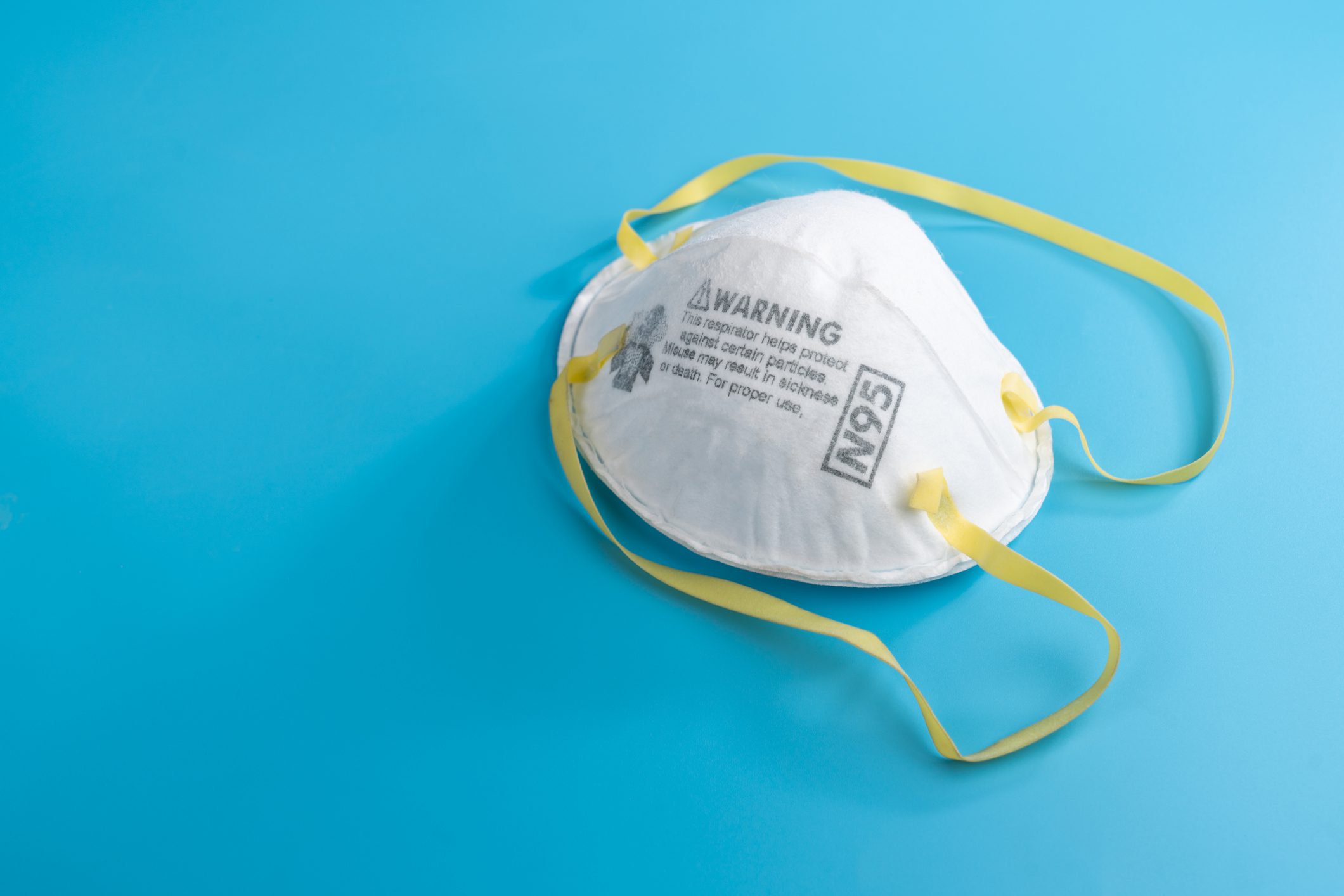
We establish a sealed perimeter around the affected area and set up negative air pressure to prevent airborne pathogens from spreading to clean parts of the home. Access is restricted to trained personnel in Tyvek suits, respirators, and chemical-resistant gloves.
2. Contaminated Water Extraction
Specialized pumps designed for contaminated water remove the sewage, which is transported to approved disposal facilities per EPA and local health regulations.
3. Controlled Demolition of Contaminated Materials
All porous materials that contacted sewage — carpet, padding, insulation, and drywall (typically 12 to 24 inches above the highest watermark) — are removed and disposed of as biohazard waste. This is not optional: sewage wicks upward through drywall via capillary action, contaminating material well above the visible water line.
4. Decontamination & Antimicrobial Treatment
Every non-porous surface is scrubbed and treated with multiple applications of hospital-grade, EPA-registered biocides to kill E. coli, Salmonella, hepatitis, and other pathogens. HEPA air scrubbers and hydroxyl generators clean the air.
5. Structural Drying
Once contaminated materials are removed and surfaces decontaminated, we dry the structure under containment using commercial equipment. See our structural drying service for the science.
6. Clearance Testing
Before we release the space, ATP (adenosine triphosphate) swab testing and air sampling scientifically verify that biological contamination has been eliminated. Only after results confirm the space is safe do we clear it for reconstruction and reoccupation.
Why Drywall Gets Removed Above the Waterline
Homeowners often ask why we cut drywall higher than the visible water reached. Sewage water wicks upward through porous drywall by capillary action, carrying contamination well above the watermark. Industry standard is to remove drywall 12 to 24 inches above the highest visible line to ensure all contaminated material is eliminated. This is a health and safety requirement, not an upsell.
Does Insurance Cover Sewage Backup?
Sewage backup coverage is usually an optional add-on — “sewer and drain backup” coverage — not included by default in standard homeowner policies. If you carry it, your claim is typically covered minus your deductible. We help you understand your coverage and document everything thoroughly. With 8,000+ claims processed at a 98% approval rate, we bill your carrier directly. Start at our claims page or read about claim help.
Why Northern Virginia Trusts Flood Doctor
We are a licensed Virginia Class A contractor (DPOR #2705155505), licensed in Washington, DC and Maryland, with hazmat-trained, IICRC-certified technicians. We coordinate with licensed plumbers to resolve the backup source — root intrusion, collapsed lines, or municipal failures — and we handle decontamination, drying, and rebuild in-house. We serve homeowners and businesses throughout the region, including Fairfax, Arlington, McLean, and Ashburn.
Get Sewage Cleanup Now
Sewage is a biohazard and every hour increases the health risk. Evacuate the affected area and call Flood Doctor at (877) 497-0007 for 24/7 sewage cleanup in Northern Virginia, or request service online. We are based at 8466D Tyco Rd, Vienna, VA 22182, and respond fast across Northern Virginia, DC, and Maryland.